
What is pattern in photography anyway?
A pattern, especially in dog photography, is the repetition of elements within the frame of the image. The elements can be the same object or color or similar objects. As long as they repeat in some manner, they create a pattern.
Here are some examples of patterns you might find:
- Brick walls
- Cobblestone or paver paths
- Wood floors
- Stairs
- Fences

Once you've learned to see patterns, now comes the fun part - breaking the pattern!
Additionally if your dog is hanging out with his dog friends, they collectively create a pattern (they’re all dogs!). If your dog is darker, lighter, or more funky colored than his companions then he’ll break the pattern and draw the eye.
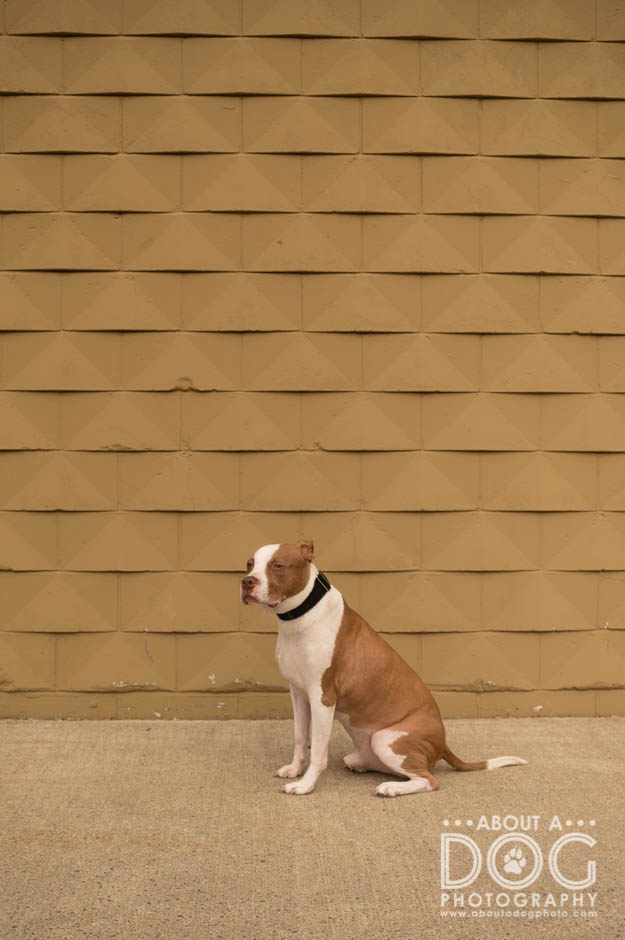
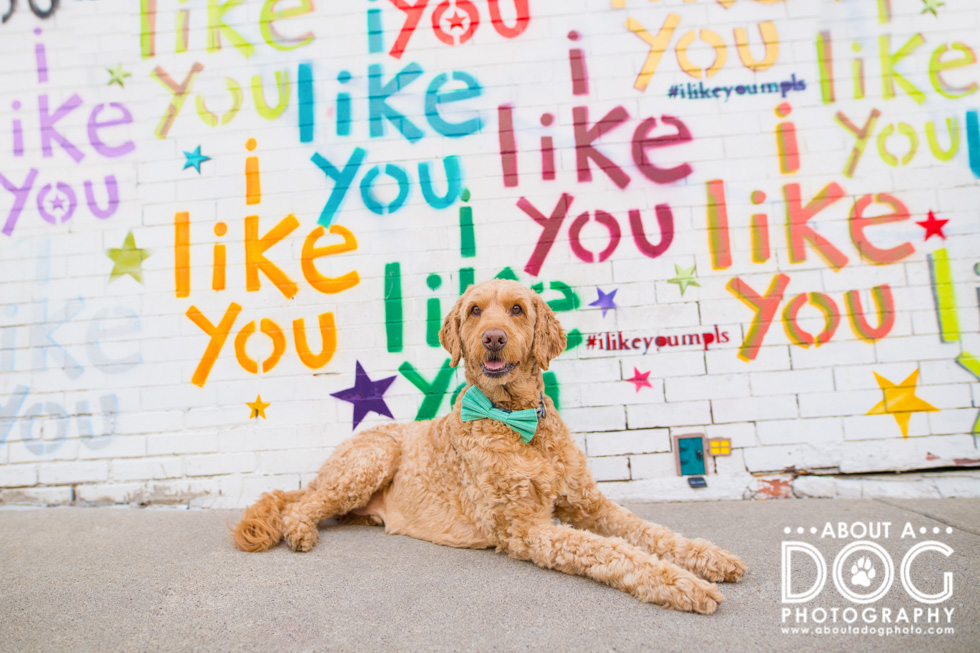
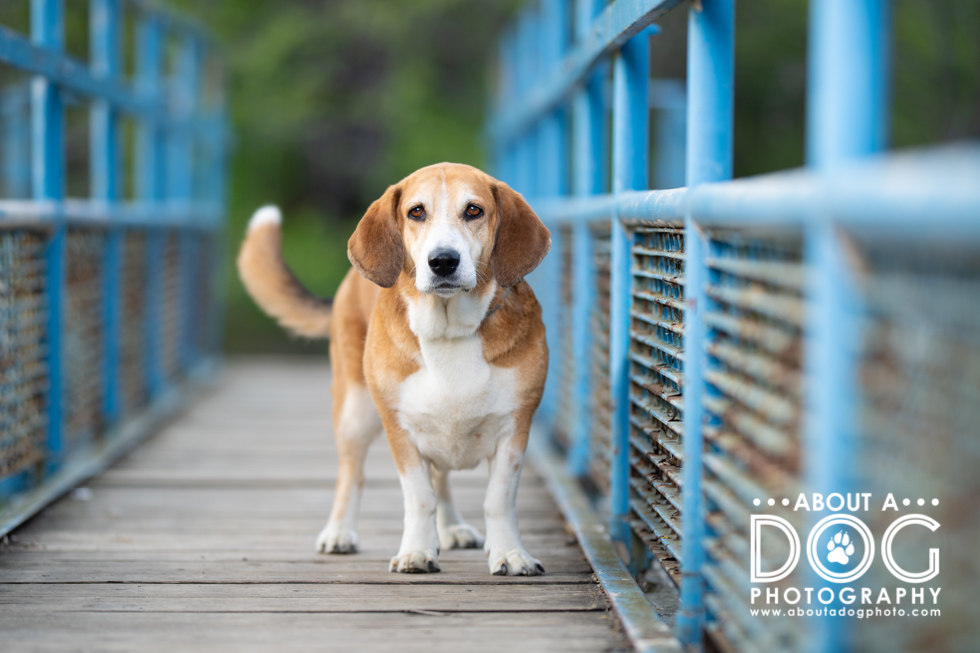
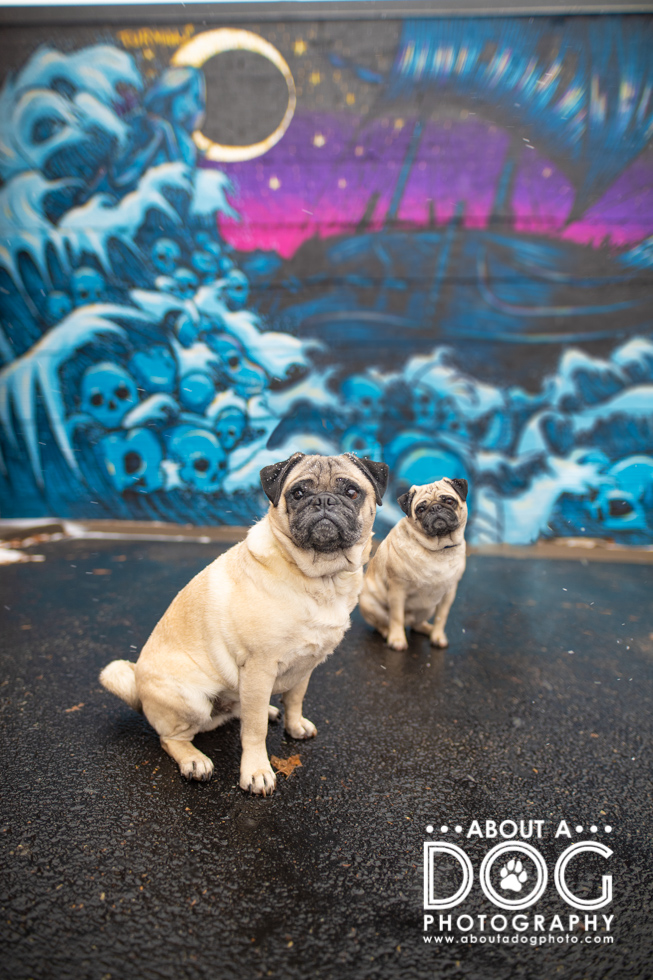
More examples of pattern in dog photography!
Start with the 2023 International Pet Photographer Awards gallery. Find the image by Sanna Sander of her dog and the log pile. What an epic breaking the pattern image!
Here’s a post about patterns I wrote in 2017!
What are the other rules of composition?
These can be found throughout dog photography, some more frequently than others. Look through your dog’s images and see if you can find examples of them!
Rule of Thirds
Leading Lines
Lines that lead to draw the viewer’s eye to the subject. Revisit this blog post for loads of examples!
Framing
Not literally the frame that finishes your dog’s artwork! Instead framing involves elements that frame your dog to draw the eye. Doors, windows, archways, trees, branches are some of the frames you can find in dog photography.
Fill the Frame
Literally what it says. Filling the frame is getting close to your subject until they fill the frame of the image edge to edge. Best created in camera though it can be created in editing.
Negative Space
The complete opposite of fill the frame. Negative space is the empty space around your subject. Add more for a teenie dog against a massive sky, epic landscape or towering building.
Depth & Layers
A way to add dimension to an image by including the foreground, subject & background. Pairs well with negative space!
Center Composition
Your subject is placed smack dab in the middle of the image.
Color
Color is a bit more nuanced in dog photography than some of the other rules of composition. Color can literally be elements of color in your image or they could be complementary colors (red/green, blue/orange, yellow/purple) or contrasting colors (warm vs cool) that make your subject pop. Additionally color can influence the mood of the image!
Texture & Detail
Another literal rule of composition. Texture alludes to how something would feel, while details are the little elements that make up the whole. Dogs have texture in their fur while details are found in eyes, noses, toes and butt swirls. Both texture & detail can be found throughout nature & manmade elements. Frequently found as patterns!
Perspective & Angle
What the angle image viewed from? That’s the perspective. Angles can be from beneath, at dirt level (a favorite of dog photographers to the cry of “Get LOWER!”), from the dog’s eye level, human eye level and a bird’s eye or as high as you can go!
Juxtaposition
Opposite or contrasting subjects within the image. Most common are big/little and old/young. Black/white, prick ear/drop ears, fat/skinny are some other opposites that could create juxtaposition in your image. Additionally background can play a part. A well groomed dog in a grungy alley would lend to juxtaposition. Not super common!

How to include pattern in your dog's images:
The easiest is with the background!
Urban areas will be brimming with patterns. As we move out of urban areas we’ll find fences, row planted trees, old barns, flowers and leafy shrubs that will give us ample patterns. Cobbled paths make for super cool look down images with your legs & dog. And retaining walls are epic patterns we can encorporate too!
We’ll be able to scout out tons of patterns to add to your dog’s images no matter where we are!
Ready to explore patterns in your own work? Grab your camera, experiment, and share your results — I’d love to see how you use patterns in your dog photography!
Patterns don’t just create striking images for photographers — they also make your dog’s photos look timeless and unique. If you’d love to see your pup captured with an artistic eye for detail, let’s plan your session today!